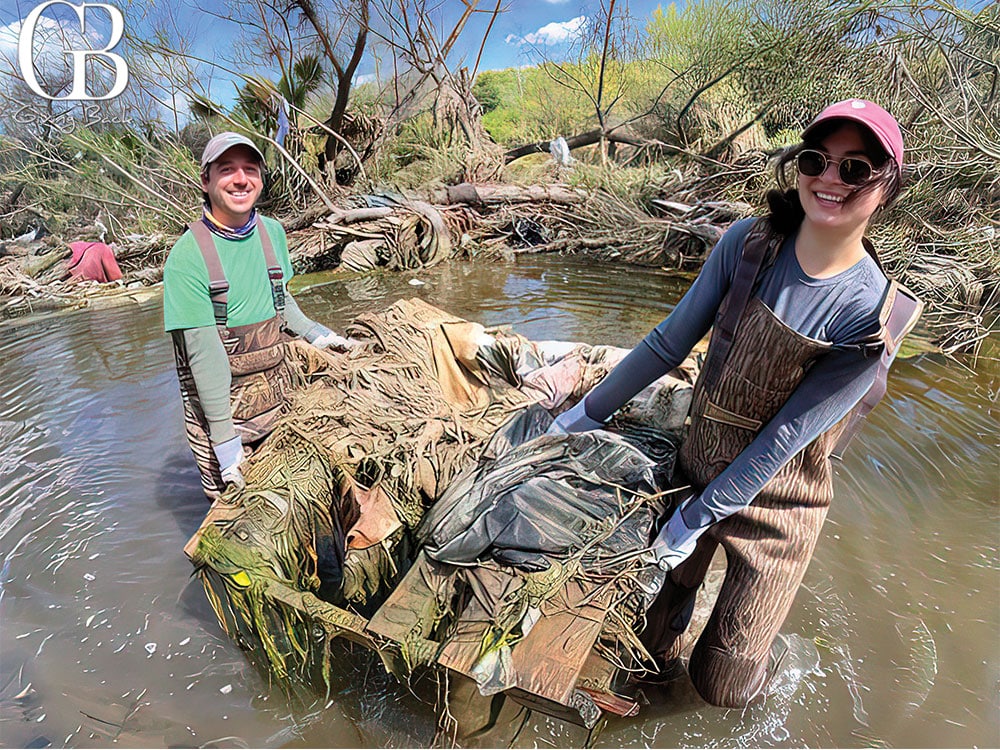


Since its founding in 2001, The San Diego River Park Foundation has focused on cleaning up our region’s namesake waterway. A model program organizes community members to seek out and map trash in and along the river. This data then guides two trash removal events each week. During the course of a year, dozens of university interns and hundreds of community members participate. More than 4 million pounds of trash have been removed, but the river still has trash. Why?

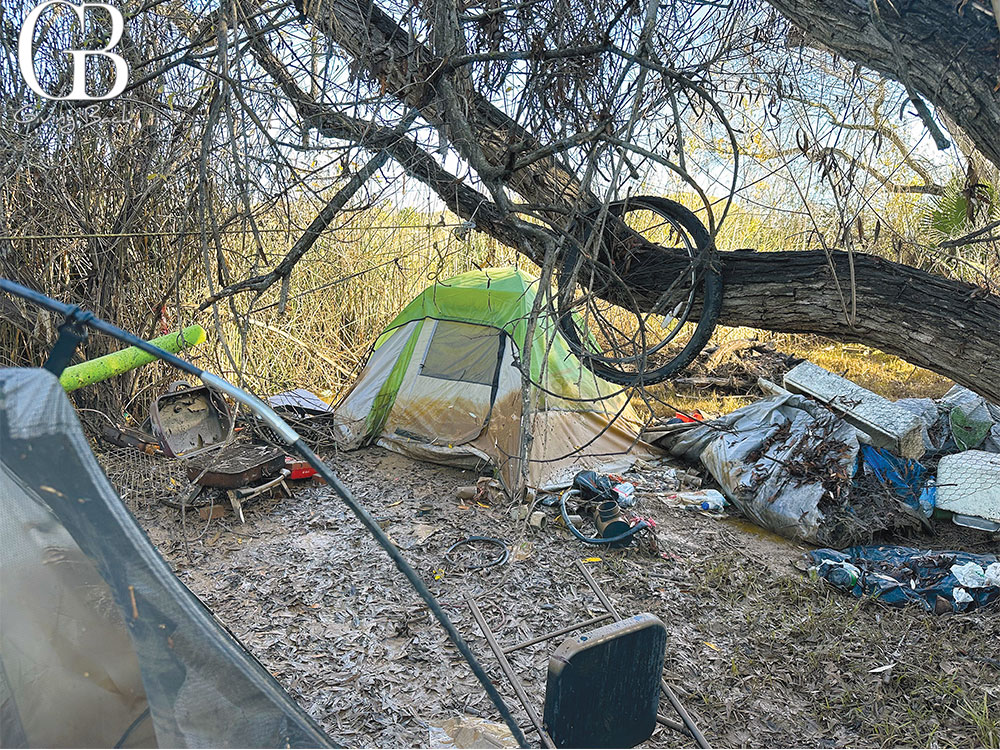
Each year, an estimated one million pounds of trash is deposited in the river. The largest contributor of trash is people living in the riverbed. If a clean river is ever going to be achieved, the organization needs to take an active role in this ending homelessness.
Some sections of the riverbed are hard to reach, requiring climbing through storm drains or dense vegetation. Because of this, the organization found that many were not receiving homeless outreach services, and importantly, were not being accounted for in the annual regional homelessness survey.
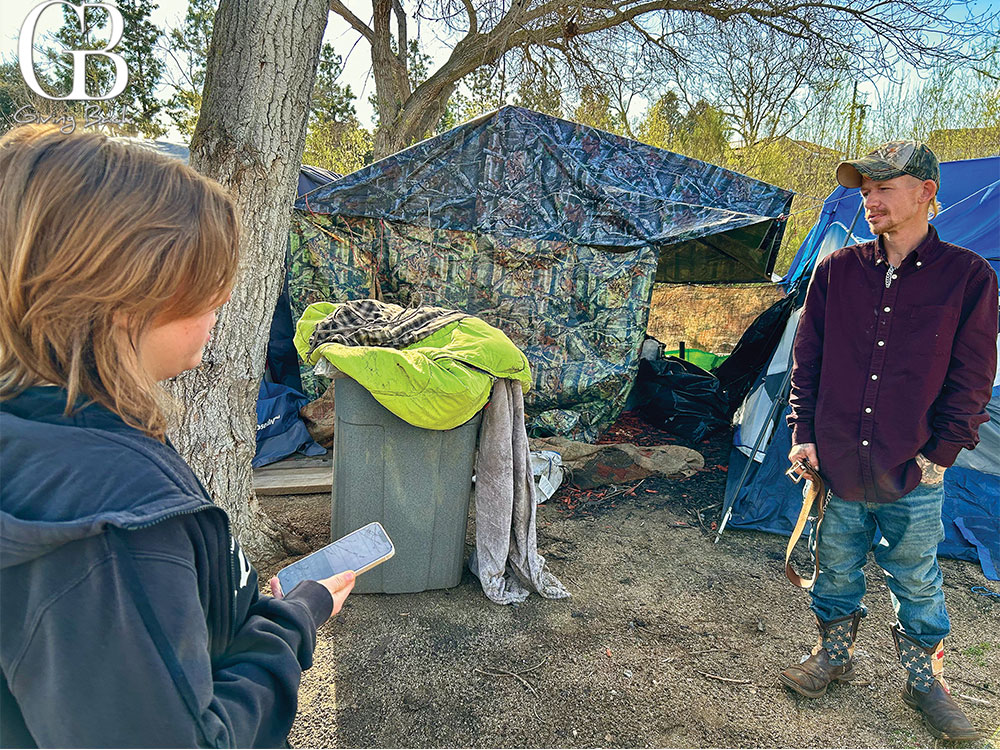
So, with a goal of making sure everyone was counted, the River Park Foundation adapted its data collection system to include encampment locations. Rob Hutsel, its co-founder and CEO, shared with GB Magazine, “I am not aware of a similar program in the country. We are committed to being part of the solution and to help people in need.”
The River Park Foundation provides data to partners such as the City of San Diego, County of San Diego, City of Santee, Caltrans and social service providers such as PATH San Diego. While the trend is positive, there is still incredible need as people continue to move to the riverbed.
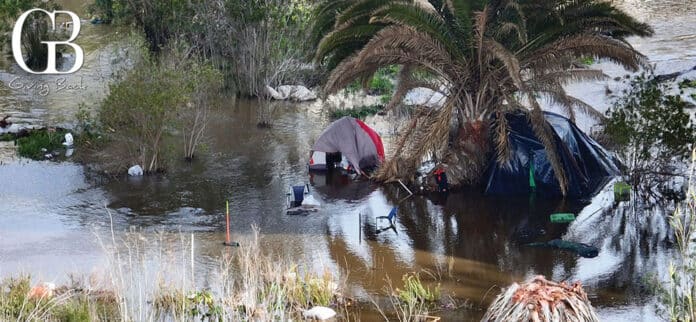
Most people have left downtown sidewalks, parks and other areas to come to the riverbed to avoid people and enforcement. This makes it very challenging to get them to accept services and receive basic care. New arrivals may not know the risks of flood, fire and other dangers.
To adapt to this need, the River Park Foundation established a flood warning system. When rains are predicted, teams go out to encampments and make sure people know to move to higher ground. Sadly, the risk of dying in flood waters is real, and many have died. After floodwaters recede, teams return to check on people and provide care packages with essential items, offer assistance, and just simply show that people care. It really can make a difference. As one person said, “Flooding is so scary to lose everything. Knowing that you guys actually care about us down here and want to help us out means so much… I do not want to be here, I just need a little help.”
With your support, we can work to the goal of ending homelessness in the riverbed.
To learn more, contact the River Park Foundation at (619) 297-7380 or visit www.sandiegoriver.org.