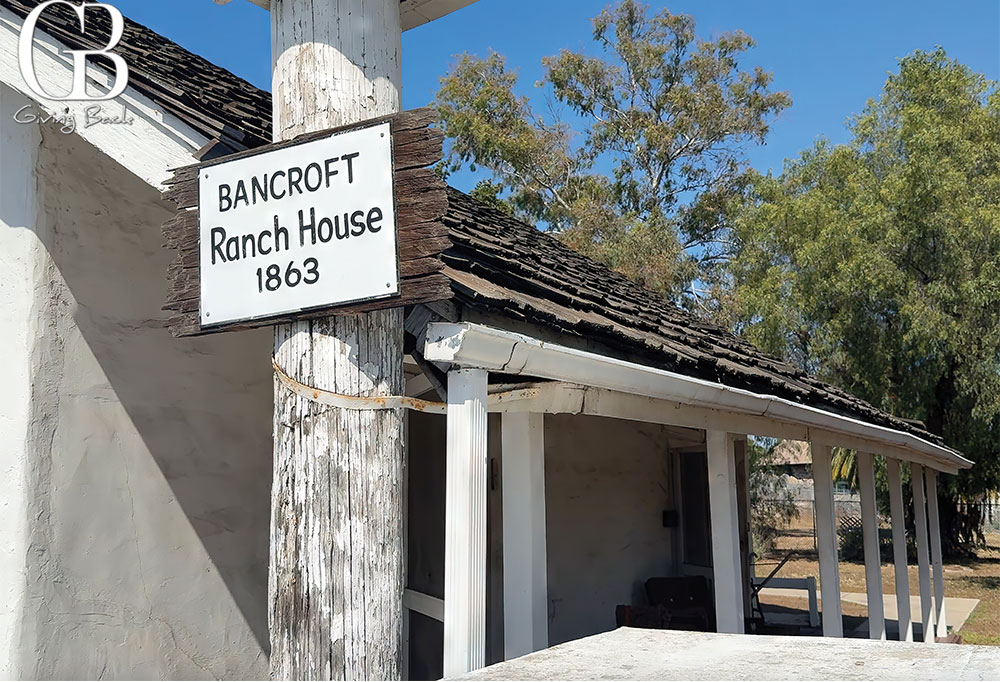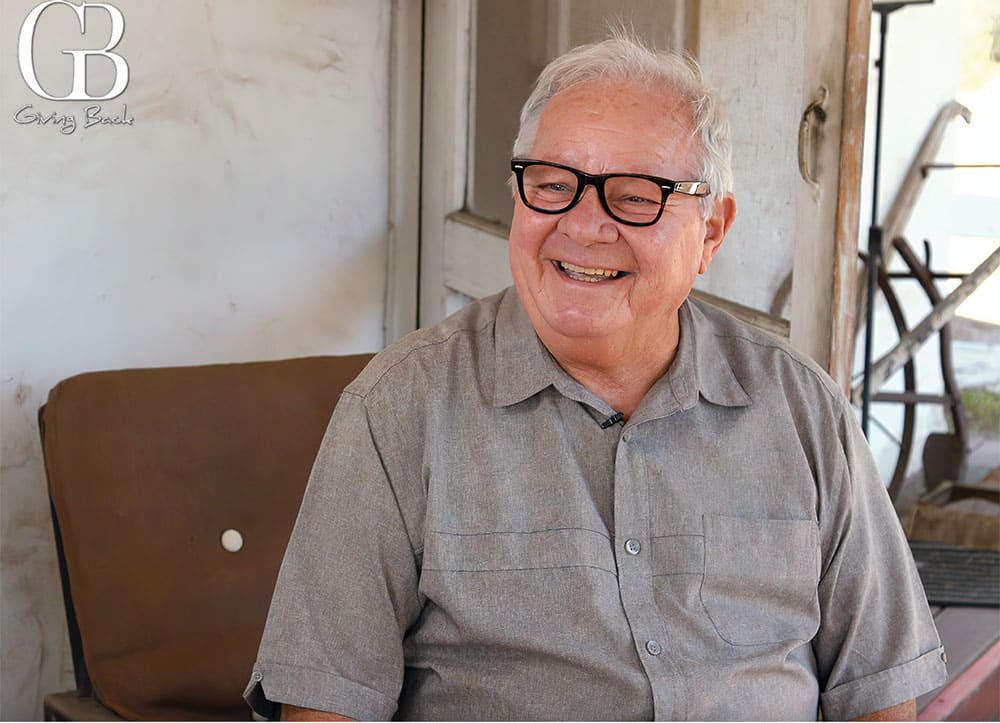


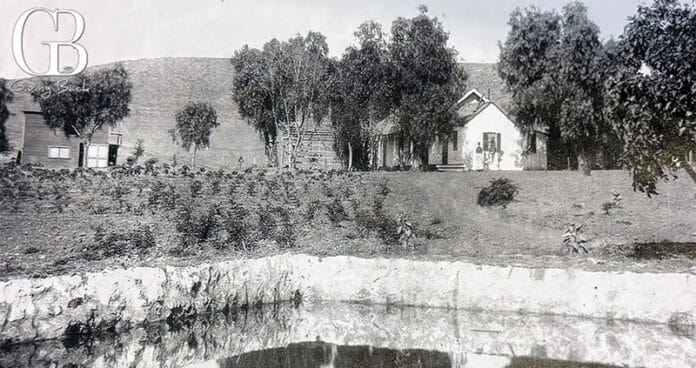
It is an achingly clear afternoon as Jim Van Meter sits on an old front porch and seems the very picture of contentment. “There ares so many people that are jealous of my life,” he says. “I tell them I have got it made.” For almost fifty years, Jim has been the self-described raconteur of the Bancroft House on Memory Lane in Spring Valley, a wood and adobe structure that dates to 1863. “As old as The Star of India in San Diego,” he likes to say.

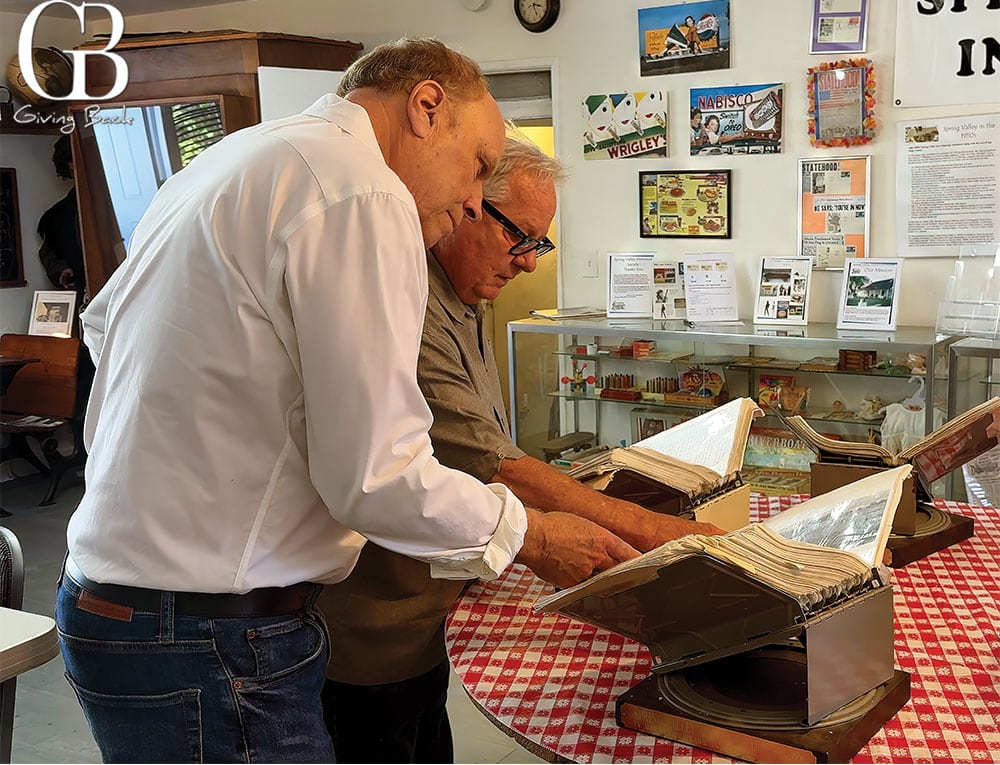
He points to objects arranged in the yard before him, each with a story. There is a water pump handle, part of wagon, and a line of trees where archeological digs have uncovered proof of visitors hundreds of years ago. “About a foot down is the mother lode. You start finding stuff – needles, broken glass, metals, tools.” Many have been cleaned and are preserved in displays arranged throughout the building, which serves as a museum operated by the Spring Valley Historical Society.
Named for its more recent owner Hubert Howe Bancroft, a writer, historian, and prolific researcher into California history, the property had a couple of previous residents, including State Assemblyman Augustus Ensworth, and a schoolteacher, clock repairman and salt salesman named Rufus Porter. But before any of them, indigenous people migrated through here on their journey from the desert to the coast with the seasons. “It is actually a days’ walk from here to our port,” Jim says. “I know because I have walked it. Twice.”
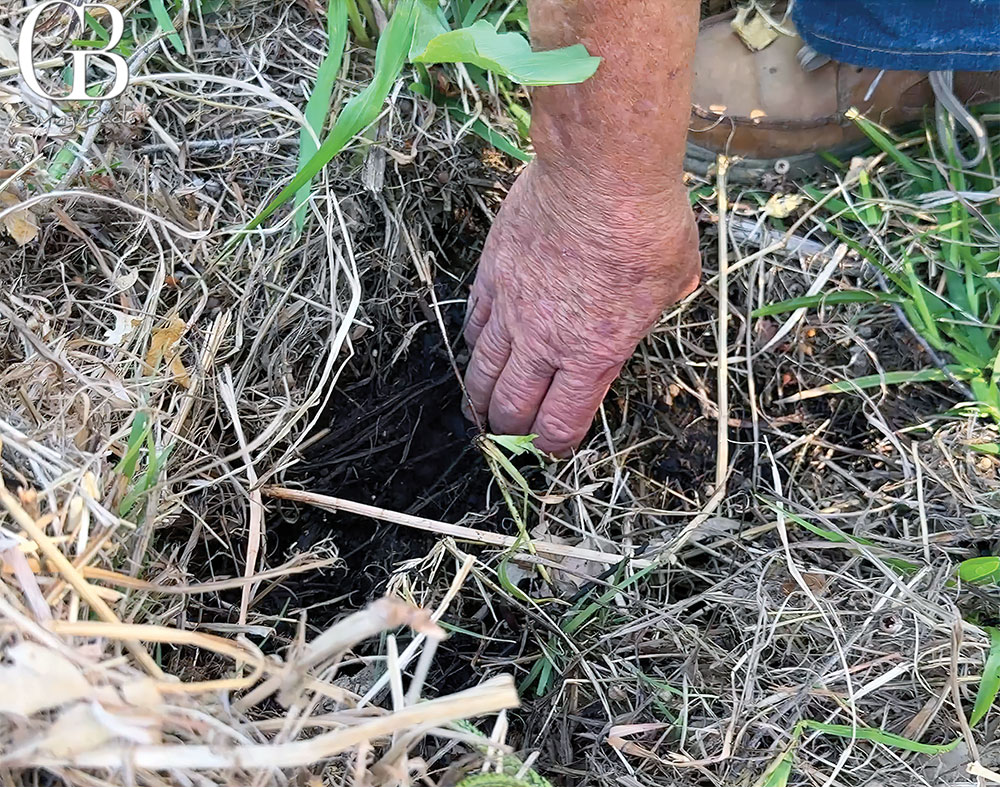
What brought them here? What was the attraction? Jim gathers some keys and we follow him to a locked chain-link gate beyond which lies a field of lush grass and palm trees. “Water,” he says. “Water is a big deal.” We walk over ground that is softening with each step until finally reaching a muddy spot. A little water oozes through the dark grassy earth.
It is a natural spring. In the rainy season, it can pool, though the water is no longer drinkable. Urban development and contaminated runoff argue against it. But the reminders of an earlier time remain, including rocks outlining what was once a pond that provided water for sheep and a building that, years ago, served as a guest house offering views of a small spring-fed reservoir.
Over the years he has lived in a cottage on the property, Jim Van Meter has come to know each square inch of the Museum and the fenced-off land next door. “Every day is an enjoyment,” he says. To him, the Bancroft House is a treasure, and the spring next door is much more than just a muddy, grassy space. It has history even long-time residents of the area are surprised to hear. For that spring is the “spring” for which Spring Valley is named.